Guides
Equipment Rental Local SEO: A Yard Fix-It Checklist
Equipment rental local SEO: verify each Google Business Profile, detail machines and delivery terms, manage reviews, and check every branch monthly.
What to take away
- Equipment rental local SEO starts with a separate page and Google Business Profile for each eligible physical yard, with its own address, hours, phone and counter staff.
- Machine-level detail wins searches that generic pages missmake, model, capacity, attachment, and the certification a customer needs before pickup.
- Reviews should name the machine and the job, because "great service" tells the next customer nothing.
- Track calls, direction requests and form fills per branch monthly. A number that never gets checked is not a measurement.
- Delivery radius, seasonal availability and damage waiver terms belong on the page, not in a phone call.
This article covers rental operations. It is not legal, safety, tax or insurance advice. In the United States, consult the Occupational Safety and Health Administration (OSHA) or the applicable OSHA-approved State Plan agency for workplace requirements, the equipment manufacturer for operating limits, and relevant state and local agencies for licensing and transport rules.
One page per yard, not one page per company
A rental business with four branches and one web page competes for one map result. Each yard has its own address, its own counter staff and its own delivery radius, and each should have a page that says so.
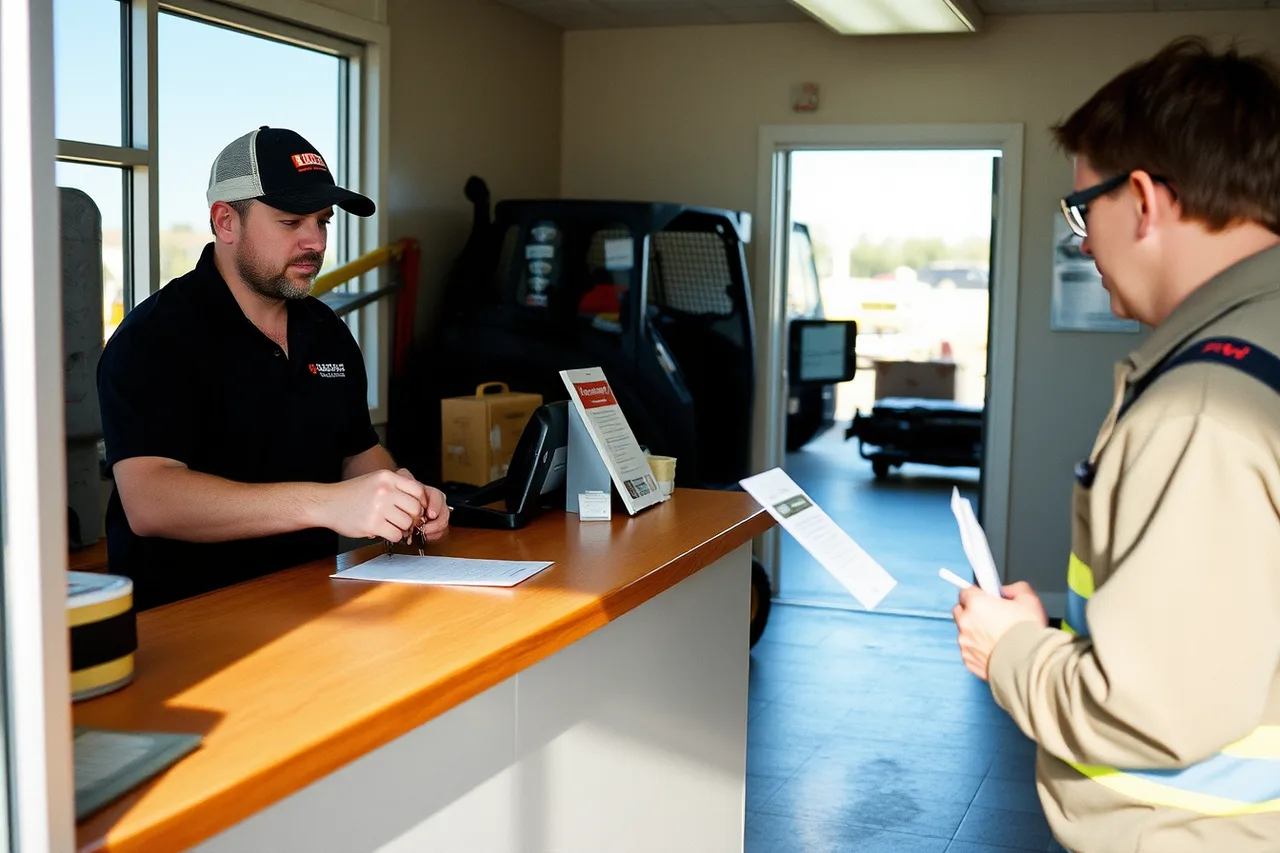
Put the yard address, phone, opening hours and after-hours line at the top. Add the equipment categories that actually sit in that yard. Aerial lifts in one branch and compaction equipment in another are different searches.
Claim, verify and keep an eligible Google Business Profile current for each physical yard. Keep the name, address and phone identical everywhere they appear, including the profile, the site footer, Bing Places for Business, Apple Business Connect, and directory listings on Yelp, Yellow Pages, the Better Business Bureau (BBB), and Facebook. Use BrightLocal to audit citation consistency and CallRail to track calls by branch. Add LocalBusiness structured data (schema markup) to each branch page and check it for errors. Mismatched hours are the most common complaint customers leave.
Describe the machine, not the category
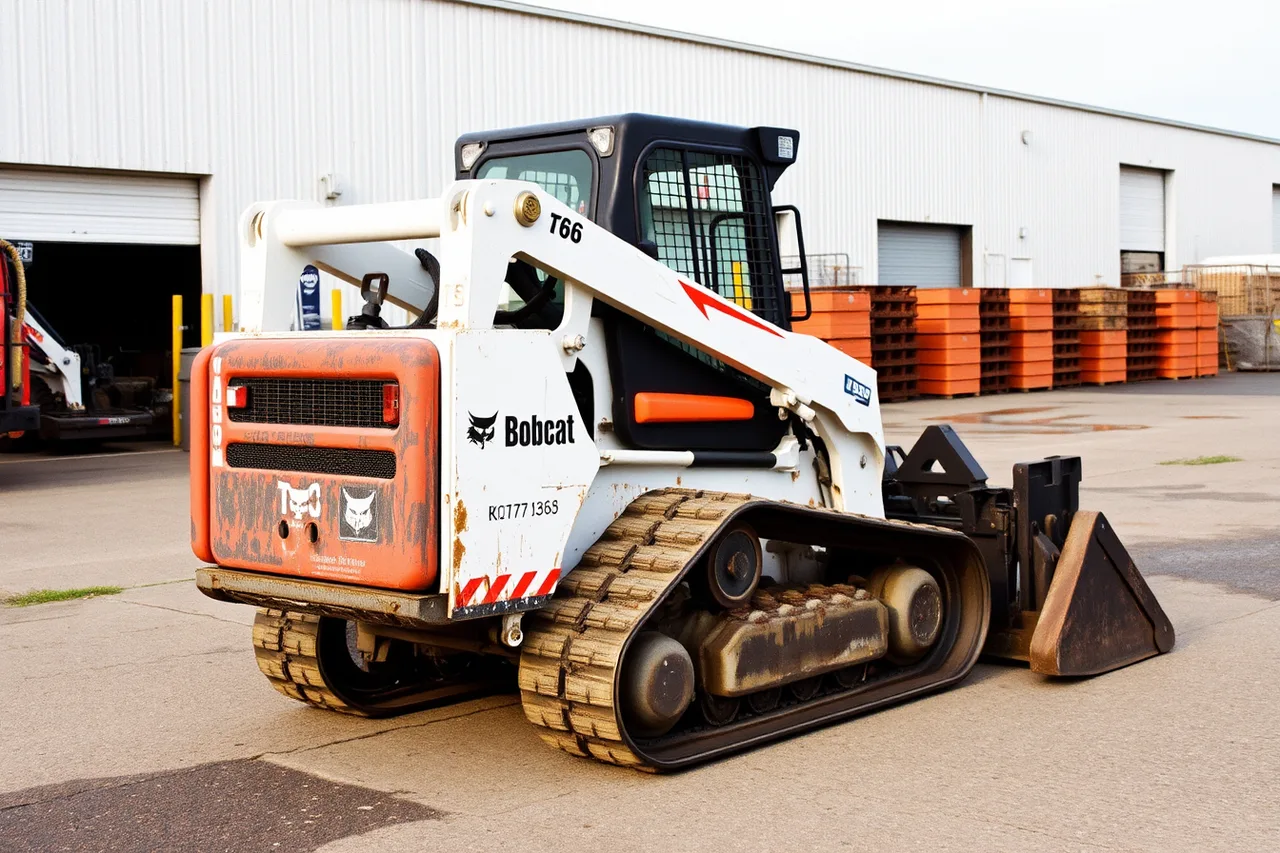
"Skid steer available" matches almost nothing. "Bobcat T66 tracked loader, 2,400 lb rated capacity, bucket and forks included" matches what a customer types at 6am before a pour.
For each machine class, publish several details. Include the make, model, rated capacity, and attachment options. Also publish the transport requirement. Note whether a license, training credential or site induction is needed before pickup. For U.S. workplace safety requirements, name OSHA or the applicable OSHA-approved State Plan agency; for operator licensing, name the relevant state agency. Cite the manufacturer's operating limits instead of stating them yourself.
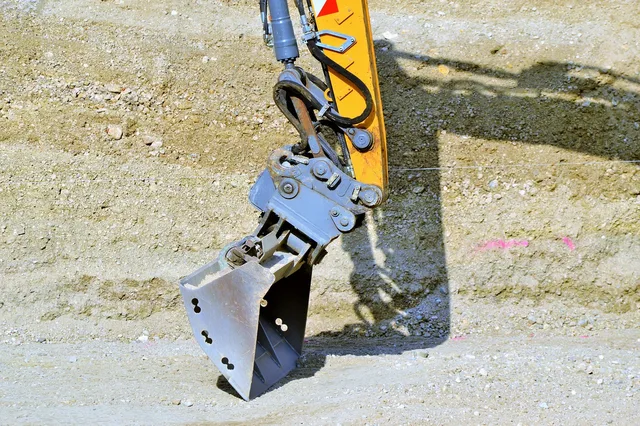
Attachments deserve their own lines. A breaker, a thumb, a trencher and a grapple are separate searches and separate upsells.
Delivery, jurisdiction and site caveats
State the delivery radius in miles from each yard and publish the current fuel surcharge basis from your rate sheet, such as mileage or delivery zones. Customers comparing two quotes will call the yard that publishes it.
Add the caveats that change a rental: seasonal availability, freeze restrictions, wildfire or severe-weather closures, and winterizing requirements for fleets in the regions you serve. For operations in Canada, include wildfire evacuation orders in BC and Alberta where applicable.
For equipment crossing the U.S.-Canada border, identify U.S. Customs and Border Protection (CBP) and the Canada Border Services Agency (CBSA), and refer customers to a customs broker rather than quoting a rule. For Canadian tax questions, point to the Canada Revenue Agency (CRA). See the Canadian cross-border equipment guide.
Reviews and the profile
Ask every customer at return, when the machine is back and the invoice is settled. Do not offer a discount for a review, and do not filter who gets asked. The Federal Trade Commission's Guides Concerning the Use of Endorsements and Testimonials in Advertising and its Consumer Reviews and Testimonials Rule address endorsements and deceptive review practices.
Reply to reviews without naming the customer or the job site. "We have adjusted our pre-delivery inspection sheet since your rental" answers the complaint and tells the next reader something true.
Google's guidance on improving local ranking lists relevance, distance and prominence as the main inputs, and points to complete Google Business Profile information, current hours, reviews and photos as the levers you control.
Photos that show the fleet
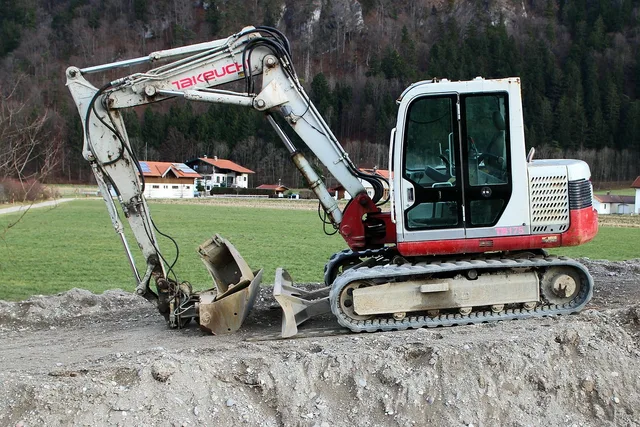
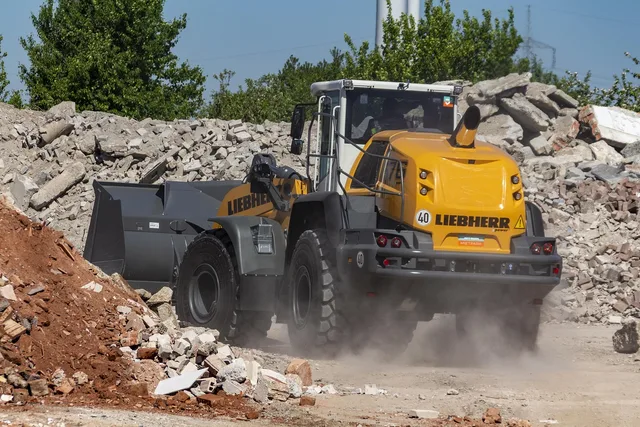
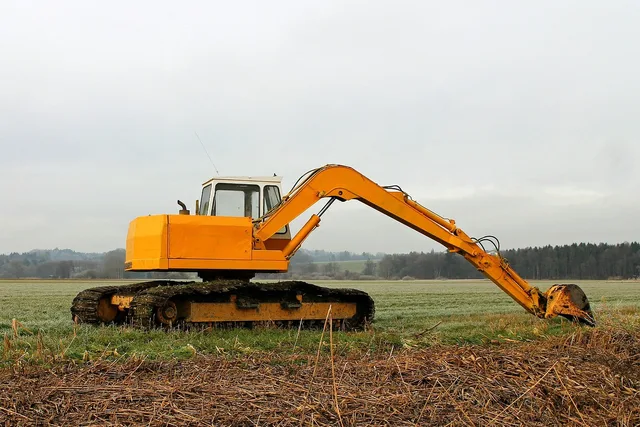
Post photos of the actual yard: the row of lifts, the attachment rack, the wash bay, the delivery truck with the ramp down. Stock photos of a generic excavator tell a customer nothing about what you hold.
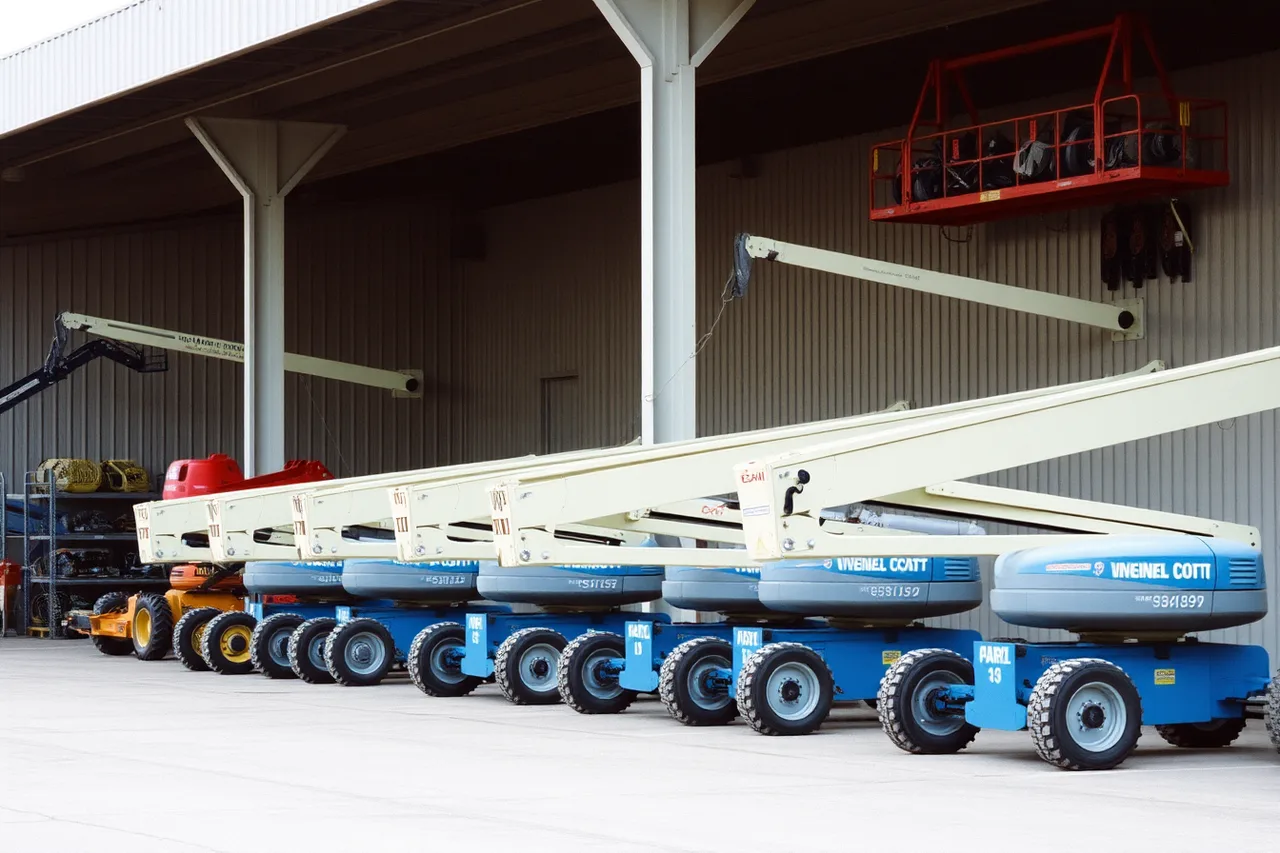
Date the photos. A yard photo from three seasons ago shows machines you may have sold.
The monthly check
Run this on the first working day of each month, per branch.
- Confirm hours, phone and holiday closures are current on the Google Business Profile and the site.
- Check the delivery radius and fuel surcharge basis against the current rate sheet.
- Add any machine class that arrived in the yard since the last check.
- Remove listings for machines sold or transferred.
- Read the month's reviews and reply to each one.
- Record calls, direction requests and form fills for the branch.
- Note which search terms brought people in, and which page they landed on.
The arithmetic that matters is cost per qualified call. Divide the branch's monthly local marketing spend by the number of calls and form fills that turned into a rental agreement. Substitute your own figures; the ratio moves when a page stops matching what customers search for.
If the yard is still being planned, the decisions about fleet mix, yard size and delivery range belong in the rental business plan before the marketing spend starts.
Common questions
How many branch pages does a rental yard need?
One per physical location with its own address and counter. A satellite yard that only stages equipment for delivery can share the nearest branch page if customers never collect there in person.
Should I list every machine on the site?
List every machine class, with the current models in each. Individual units change too often to maintain, but the class page should name the models you actually hold and update when the fleet turns over.
Do reviews matter more than the website for a rental yard?
They work together. The profile brings the call, and the page has to answer what the caller is about to ask: capacity, attachment, delivery radius and whether the machine is on the yard today.
Who sets the safety and licensing rules I have to mention?
The Occupational Safety and Health Administration (OSHA), or the applicable OSHA-approved State Plan agency, is the workplace-safety authority to consult; state licensing agencies handle applicable operator credentials. The manufacturer sets operating and maintenance limits. Name the applicable authority on the page and refer customers to certified training rather than summarizing the rule yourself.