Guides
Equipment rental equipment: a reviewer's notes
Choosing rental fleet equipment means matching machine class to your yard, customers and service area, then checking cost and support before you buy.
What to take away
- Stock compact excavators and skid steers first. Add earthmoving only when you own float capacity.
- Buy brands with a dealer inside a day's driveKubota, Takeuchi, Bobcat, Caterpillar, Deere, JLG, Genie, Skyjack.
- A mid-size compact track loader must earn roughly $90 to $170 a day before labor and margin.
- Keep or drop a unit on rented days per year and damage cost per rental.
- Plan 2027 around utility and public works demand, and test one battery unit before you buy a line.
Match the class to the customer you already have
A fleet is a bet on next season's requests. Pull twelve months of jobs you turned away and note what the customer rented instead. That list is your buying plan.
Storage and transport decide as much as demand. A 20-ton excavator needs a float truck most general yards do not own. A telehandler with no certified operators nearby is a parked asset.
Then check parts. If nobody within a day's drive stocks filters, hoses and wear parts, you own the downtime. Setting up equipment rental equipment: what the evidence should decide first covers how to size a first fleet against evidence rather than ambition.
A reviewer's notes on brands, class by class
The shortlist below is a starting point, not a verdict. Demo on your own yard before you sign.
Brands, class by class
Brands worth a demo
- Compact excavators
- Kubota, Takeuchi, Bobcat, Yanmar
- Skid steers and compact track loaders
- Bobcat, Caterpillar, John Deere, Kubota
- Telehandlers and aerial lifts
- JLG, Genie, Skyjack
- Compaction and concrete
- Wacker Neuson, Husqvarna Construction, Multiquip
- Breakers and chipping hammers
- Hilti, Wacker Neuson, Bosch
- Earthmoving
- Caterpillar, Komatsu, Volvo CE, John Deere
The catch to price in
- Compact excavators
- Undercarriage wear, bucket inventory
- Skid steers and compact track loaders
- Attachment spend, track versus tire
- Telehandlers and aerial lifts
- Annual inspection, operator certification
- Compaction and concrete
- Consumables, plate and blade wear
- Breakers and chipping hammers
- Steel and chisel inventory
- Earthmoving
- Float transport, dealer diagnostics
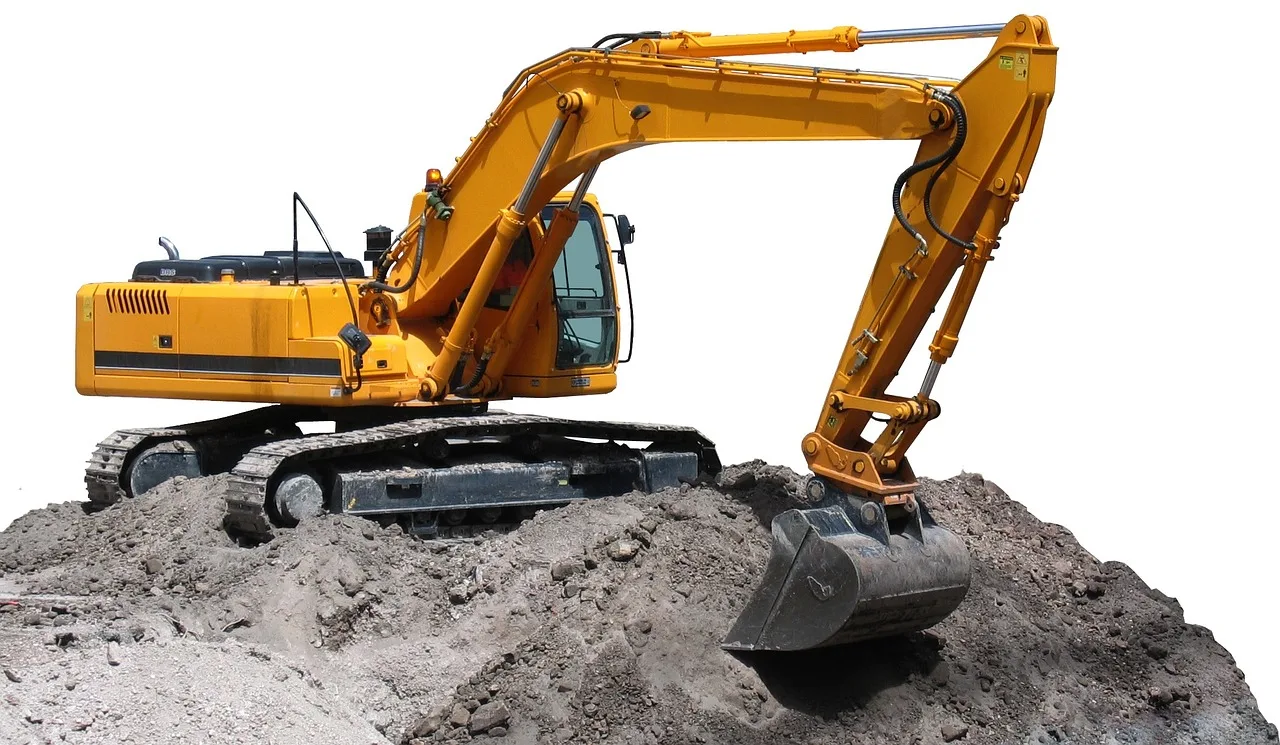
Kubota and Takeuchi hold resale well in small excavators, and their dealer networks reach most US metros. Yanmar is the value pick where you can service it locally.
Bobcat, Caterpillar and John Deere dominate skid steers and compact track loaders. Choose on dealer response time and attachment availability rather than the badge. Caterpillar leads on resale and Bobcat on attachment supply.
JLG, Genie and Skyjack cover nearly every aerial need, and load charts cost more than any brand gap. Hilti hammers and Wacker Neuson plates earn on consumables, so stock steel and blades.
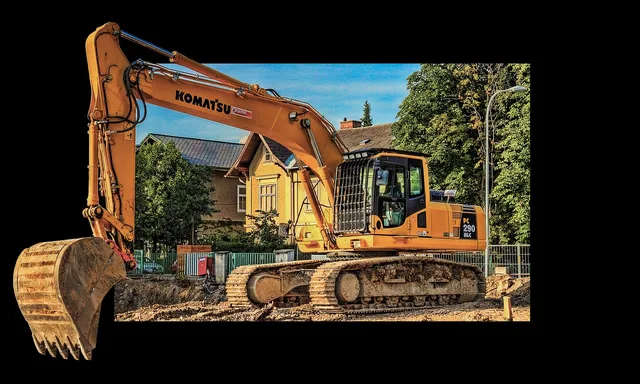
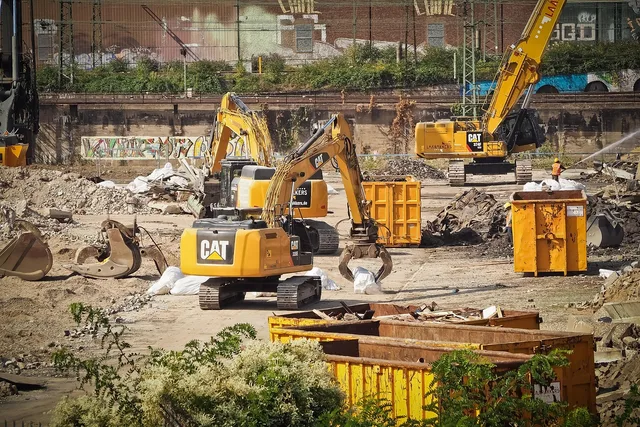
Earthmoving comes down to the dealer. Komatsu and Caterpillar give the deepest diagnostics, and Volvo CE competes on fuel and operator comfort. All three need float capacity you may not have.
Example: what a compact track loader has to earn
Take a mid-size unit with cab, air and a bucket. These are typical US ranges to check against your own quotes.
What a compact track loader has to earn
- Purchase price$70,000 to $90,000 new.
- Service lifefive years, or 1,000 to 1,200 rental hours.
- Annual fixed cost$14,000 to $18,000, the purchase spread across that life.
- Insurance, storage and scheduled service$4,000 to $6,000 a year.
- Resale credit$25,000 to $35,000 at five years, or $5,000 to $7,000 a year.
- Net annual costabout $13,000 to $17,000.
- Rented days achieved100 to 150. Divide, and the floor lands near $90 to $170 a day.
Add labor, transport both ways, damage and margin on top of that floor. Publish below it and you are financing your customer's project. Monthly metrics for an equipment rental business, and what each one signals shows which numbers to watch once the unit is out the gate.
What changes for 2027
Weigh the demand signals: state and local public works contracts, utility and fiber trenching, data center site work, and storm response along the Gulf and Southeast. Those favor compact earthmoving, trenchers, pumps and light towers.
Watch what your two largest contractors bid in the first quarter. Used iron from retiring contractors is often the cheapest way to test a class.
Supply signals matter too. Emissions tier changes push used values around, so a clean unit in one state may not register in another. Battery classes suit indoor work, but charge time limits them on dirt.
Telematics is now standard on most new compact iron, which means you can bill for hours without a clipboard. Public works money moves slowly, so awards show up in rentals the next quarter. Canada stays a second market here. Operators there file to provincial transport rules rather than FMCSA, and provincial health rules replace the OSHA framing below.
Best markets for an equipment rental business in 2027 sets out how to read that demand by region before you commit capital.
Rules and training that follow the machine
Cargo securement starts the moment a machine leaves your yard on a float or hook lift. Securement rules apply to every load that crosses a state line; check your state's rules for moves that stay inside it. Interstate movement falls under Federal Motor Carrier Safety Administration: Cargo Securement Rules.
Forklift and telehandler operation in the yard sits under powered industrial truck rules. The hazard list and training categories are at Occupational Safety and Health Administration: Powered Industrial Trucks.
Servicing a machine's hydraulic, electrical or stored energy systems needs an energy control procedure. OSHA's rule at Control of Hazardous Energy, 29 CFR 1910.147 sets out the steps and the periodic inspection.
Four records to keep current, all auditable:
Rules and training
- PPE hazard assessment, certified and dated.
- Operator certifications for forklifts and aerial lifts.
- Lockout procedure posted at every service bay.
- Fire extinguisher inspections and first aid coverage.
Then paper the rest: hearing protection training, and a maintenance schedule you actually run. Post that schedule where drivers can see it. Before you act on equipment rental preventive maintenance checklist covers workable service intervals by class.
Common questions
Which unit leaves the fleet first?
Rank each machine on rented days per year, revenue per rented day, and damage cost per rental. Anything under your break-even utilization for two straight seasons goes to auction.
Should I buy new or used?
Used lowers the entry cost and hides maintenance history. Have a mechanic inspect it, then price the first year of repairs into the deal.
How many units of a new class should I buy first?
One or two, and sub-rent from another yard when demand spikes. That reveals real utilization before you tie up capital.
What day rate should I publish?
Your floor is annual cost divided by achievable rented days. Add labor, transport, damage and margin, then check the rate against two local competitors.