Guides
Reading equipment rental trends before they reach your books in 2027
Five equipment rental trends will shape 2027 demand, and each one shows up in your utilization, delivery and maintenance numbers before it reaches your books.
What to take away
- Five trends will shape 2027 demandelectric fleet language in tenders, telematics hour billing, contractors renting instead of buying, weather and wildfire risk in pricing, and cross-border used-machine sourcing.
- Two of them carry a price you can size this quartercharging infrastructure at the yard, and the landed cost of a machine bought across the border.
- Each trend reaches your books through a number you already keep. Utilization by class, delivery cost per job, downtime hours and damage waiver claims move before revenue does.
- The rules that shape your response are mostly American. The IRS, CBP, USMCA, OSHA and state OHS plans set the frame, and Canadian rules get their own section below.
Five trends, and the number each one moves
The table is a reading order, not a forecast. Check your own records against the right-hand column before you price anything. The daily sequence that turns a return into a billable machine sits in our equipment rental operations and workflow guide.
| Trend | What it changes | Number to watch |
|---|---|---|
| Electric fleet in tenders | Who can bid | Share of quotes naming electric |
| Telematics hour billing | Revenue shape | Billed hours per rental day |
| Contractors renting | Fleet mix | Utilization on the compact class |
| Weather and wildfire | Downtime and waivers | Downtime hours per machine |
| Cross-border sourcing | Landed cost | Delivered cost per machine |
Electric fleet pressure and the charging bill
Municipal, state and federal fleet buyers now name electric or low-emission machines on bid documents. Yards meet the change at the counter first, as a question, then in a tender.
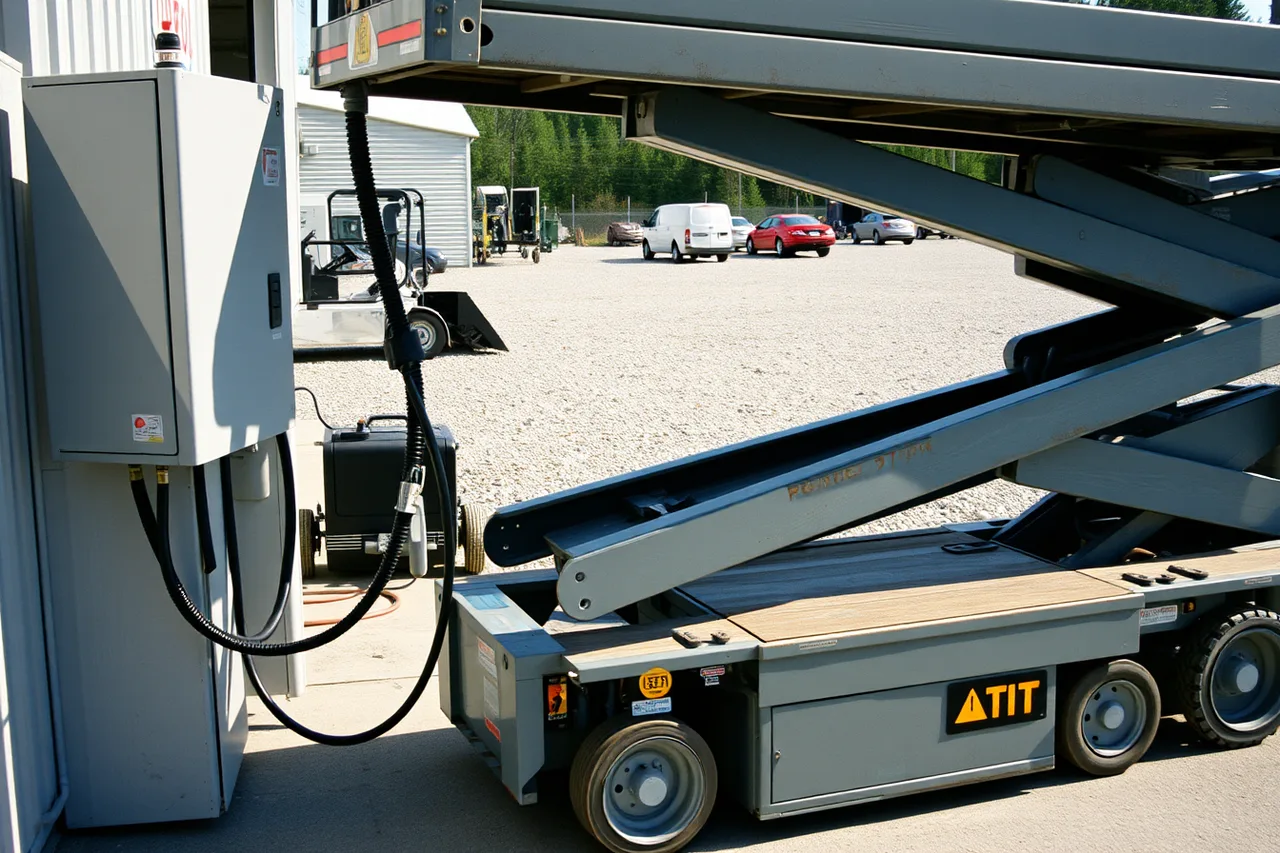
Charging is the line that hits capital. A typical planning range for US yards is $12,000 to $45,000 to add three Level 2 charge points on existing service, including conduit, breakers and permits. A service upgrade or a DC fast charger pushes the figure past $60,000.
If that needs financing, the SBA business guide covers loan preparation, cost worksheets and the paperwork lenders ask for.
A technician trained on high-voltage systems earns more than a diesel mechanic. The metro figure sits in the BLS Occupational Employment and Wage Statistics tables and belongs in your model before you order hardware.
Telematics billing and the contractors who stopped buying
Hour-meter telematics lets you bill run time instead of a day rate. Contractors on short pours and small jobs like the fit, and your revenue shape changes with them.
Tracking hours is not the same as tracking machines, and equipment rental GPS tracking versus telematics sets out what each one feeds into your billing.
The rate card needs three parts: an hourly tier, a minimum charge and a standby rate. Leave out the standby rate and a machine that sits all week bills less than one that works two days.
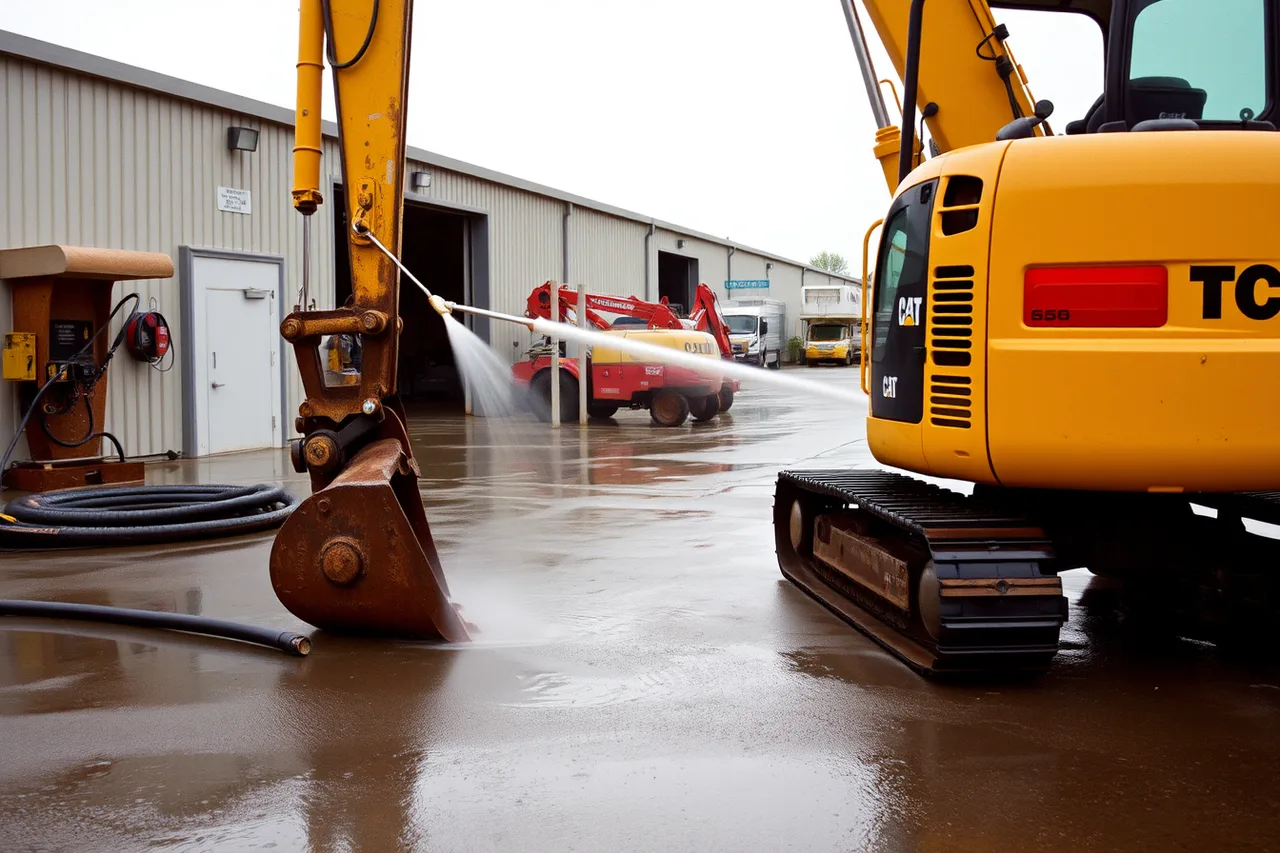
Higher equipment prices keep small contractors renting, so the mix tilts toward compacts and attachments. More short rentals means more turnaround work per machine. Each return needs a wash, a fuel check and a pre-delivery inspection.
Weather, wildfire and the price of a stranded machine
Wildfire smoke and heat shorten outdoor work and trigger evacuation orders that leave machines on site. Northern winters crack hoses, gel fuel and kill batteries.
Both risks belong in the rate, the damage waiver and the delivery window. Sort downtime hours per machine by cause, then price the causes you can predict.
Cross-border sourcing: CBP, USMCA and landed cost
A used machine bought across the border can beat domestic listings. A typical saving range is 10 to 25 percent on the machine price, before freight, brokerage, duty and inspection.
USMCA treatment depends on origin, and CBP wants a valid certification of origin before it grants a preference. A wrong tariff classification can leave a machine at the border while your season runs. Get a binding ruling through your broker before you wire money.
Which US rules and agencies frame the forecast
Four sources set your obligations. The IRS sets depreciation and expensing rules for the fleet. CBP and USMCA set import cost. OSHA sets yard safety, and more than twenty states add their own rules through OSHA-approved State Plans.
Electrical work falls under OSHA too. The standard at 29 CFR 1910.334 covers inspection and testing of cord and plug connected equipment, which reaches charger leads and extension cords. The pre-visit list in OSHA rules for equipment rental yards covers the checks inspectors raise most often.
Treat this as operations guidance, not legal, tax or customs advice.
Canadian yards: same signals, different paperwork
Canadian readers face the same demand signals with different paperwork. The CRA sets GST/HST treatment of rentals and the capital cost allowance class for each machine. The CBSA handles import documentation, and provincial OHS authorities, not OSHA, set workplace duties.
BC yards also fold carbon tax and air quality rules into fleet planning. Confirm your own obligations with a customs broker and an accountant before you commit capital.
Numbers that confirm a trend before revenue does
- Utilization rate by machine class, set against the same month last year.
- Written quotes that name a machine type you do not own yet.
- Delivery cost per job, in dollars and in miles.
- Downtime hours per machine, sorted by cause.
- Damage waiver claims, sorted by cause.
Two quarters of movement in two or more of those lines is a buying signal. One month is weather, or one large customer.