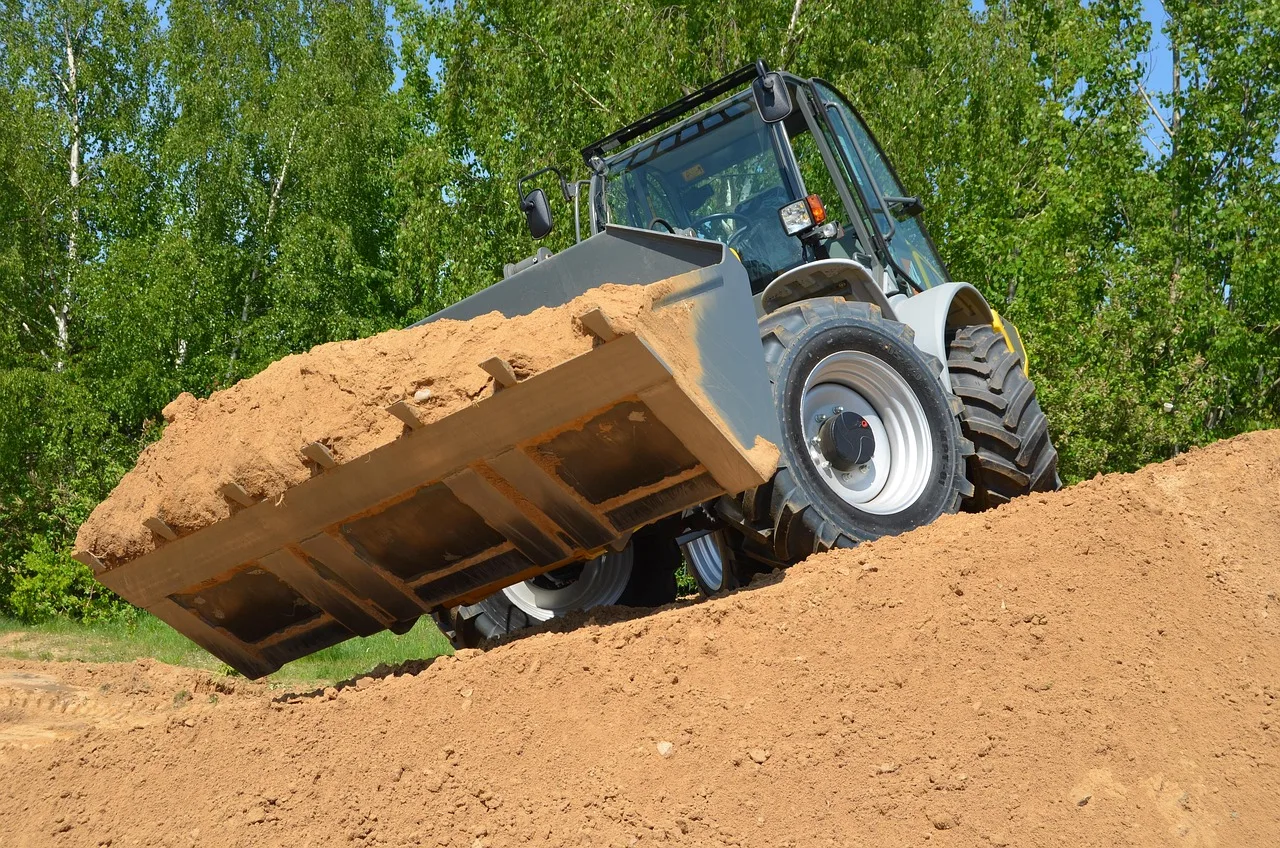
Guides
Equipment rental pricing and profit: how the two connect
Equipment rental pricing and profit connect through your cost per machine hour, utilization, and damage recovery, so review those numbers monthly.
What to take away
- Price from cost per machine hour, not from the yard down the road. Your fuel, delivery distance, and repair labour are not theirs.
- Utilization is the number that decides whether a rate works. A machine at 45 percent utilization needs a higher day rate than the same machine at 75 percent.
- Damage waiver income and damage recovery are separate lines. Track what you collect against what you actually spend on repairs.
- Every rate change needs a date, a written reason, and a person who can explain it to a customer at the counter.
- Review rates monthly against utilization, repair cost, and delivery cost per job. Quarterly is too slow when fuel moves.
- Bill the rental day from dispatch to return, not from the customer's first use.
- Separate the machine rate from consumables, fuel, the damage waiver and the delivery charge so each line can be checked on its own.
- Profit per machine is rental revenue minus ownership cost, maintenance, damage shortfall and downtime, divided by hours actually on rent.
- Utilization below roughly 60 percent rarely covers ownership cost on a financed machine. Owned outright can hold near 50 percent.
- Keep deposits, credit terms and damage recovery in writing before equipment leaves the yard.
This article covers general equipment rental operations. Rates, licensing, workplace safety, and transport rules vary. Tax treatment also varies. All vary by state, province, and machine class. Confirm current requirements with the manufacturer, your state or provincial safety regulator, and a qualified accountant or lawyer.
A rental rate is a guess until you know what an hour of that machine costs you to own, move, and repair. Most yards set rates by looking at the competition and then wonder why the year ends thin.
Build the cost per machine hour first
Start with the machine, not the market. Cost per machine hour is acquisition cost spread over expected lifetime hours, plus fuel or charging, plus preventive maintenance, plus an allowance for major repair, plus insurance and licensing.
Then add the costs that follow the machine out the gate: delivery fuel, driver time, loading, and the return trip. A mini excavator that travels 60 km each way is a different business than one that works inside the yard.
Here is a worked example. A mini excavator costs $65,000 to buy and runs 8,000 hours before disposal. Ownership comes to $8.13 an hour. Maintenance of $6,000 a year across 1,200 rented hours adds $5.00 an hour. That is $13.13 an hour before delivery fuel. Use your own figures. Do not borrow someone else's.
Interest or lease payments belong in the same calculation. A machine financed at a high rate has a higher floor than one bought outright, even when both sit in the same row of the yard.
Utilization decides whether the rate works
A rate that covers cost at 70 percent utilization loses money at 40 percent. The machine still depreciates, still needs its annual service, still eats yard space.
Utilization changes the rate
70% utilization
- Cost coverage
- Rate covers cost
- Depreciation
- Still accrues
- Annual service
- Still due
- Yard space
- Still occupied
40% utilization
- Cost coverage
- Rate loses money
- Depreciation
- Still accrues
- Annual service
- Still due
- Yard space
- Still occupied
Track utilization by machine class, not by fleet average. A fleet-wide number hides the trencher that never leaves the yard behind the skid steers that never come back.
Two levers move the number. You can raise the rate, or you can raise the hours. Raising hours usually means changing minimum rental periods, delivery radius, or which customers you chase.
Set a floor utilization for each class. Below it, the machine is a candidate for sale, not for a rate increase.
Below about 60 percent utilization, a financed machine rarely carries its payment, insurance and yard space. Owned outright, a machine can hold near 50 percent before it loses money.
Break-even is a monthly figure for one unit, not an annual figure for the fleet. Fixed cost for the unit divided by its hourly rate gives the break-even hours.
Eight numbers on a per-machine dashboard
Track these per machine, every month.
Per-machine dashboard
| Number | How to get it |
|---|---|
| Utilization rate | Billable hours divided by available hours in the period |
| Dollar utilization | Annual rental revenue divided by the machine's original cost |
| Contribution margin per unit | Rental revenue minus fuel, wear parts, consumables, waiver payouts and the delivery run |
| Break-even hours per month | Unit fixed cost divided by the hourly rate |
| Damage waiver recovery | Waiver income minus actual repair spend |
| Downtime cost | Lost rental days times the daily rate, plus the repair invoice |
| Return on invested capital | Annual contribution minus allocated overhead, divided by capital cost |
| Net profit margin | Net profit divided by rental revenue |
Gross margin on iron that stays busy typically runs 40 to 60 percent of revenue. Net margin after overhead typically runs 5 to 15 percent in most markets.
Worked example: one skid steer
A skid steer bought used for 38,000 dollars and financed over five years carries about 780 dollars a month in payment and insurance. Storage, telematics and licensing add 120 dollars a month, so fixed cost is 900 dollars. At 45 dollars an hour, break-even is 20 billed hours. Everything past that is contribution.
Price the rental period, not just the day
Weekly and monthly rates exist because customers ask for them, not because they are generous. A weekly rate at four times the day rate gives the customer a discount and gives you a longer, more predictable booking.
The rental day runs from dispatch to return, not from the customer's first use. Delivery, familiarization, cleaning and the damage review after return all sit inside that window, so the rate has to carry them.
Decide your breakpoints and write them down. Day, week, month, and the point where a long rental should convert to a lease or a rent-to-own arrangement.
Minimum periods protect the delivery cost. A half-day rental that requires a 90-minute round trip in a one-ton truck rarely pays for the fuel, let alone the driver.
Each structure fits a different job, and each hides a different risk.
Price the rental period
Where it fits
- Day rate with a minimum
- Standard machines with predictable wear
- Week or month rate
- Long jobs, lower handling cost per day
- Rate plus fuel and delivery
- Machines moved by truck
- Consumable add-on
- Blades, bits, oil, filters
- Damage waiver as its own line
- Any unit leaving the yard
- Operator or trainer included
- Equipment needing certified training
What it hides
- Day rate with a minimum
- A late return or damage
- Week or month rate
- Underuse by the customer
- Rate plus fuel and delivery
- Fuel price swings between quote and invoice
- Consumable add-on
- Whether the consumable covers its cost
- Damage waiver as its own line
- Whether the waiver covers the repair
- Operator or trainer included
- Hours the operator stands idle
Charge separately for what is genuinely separate:
Charge separately for these
- Delivery
- Pickup
- Fuel
- Attachments
- Operator training
- Out-of-hours callouts
The machine rate stands on its own. Fuel, consumables, the damage waiver and the delivery charge sit on separate lines so each one can be checked against its own cost.
Damage waiver and recovery
A damage waiver is a product, not a rounding error. Price it as a percentage of the rental and track what you pay out against what you take in. A typical waiver charge runs 10 to 15 percent of the rental subtotal, higher on machines with exposed hydraulics and glass.
Waiver income only helps when it beats what you spend on repairs.
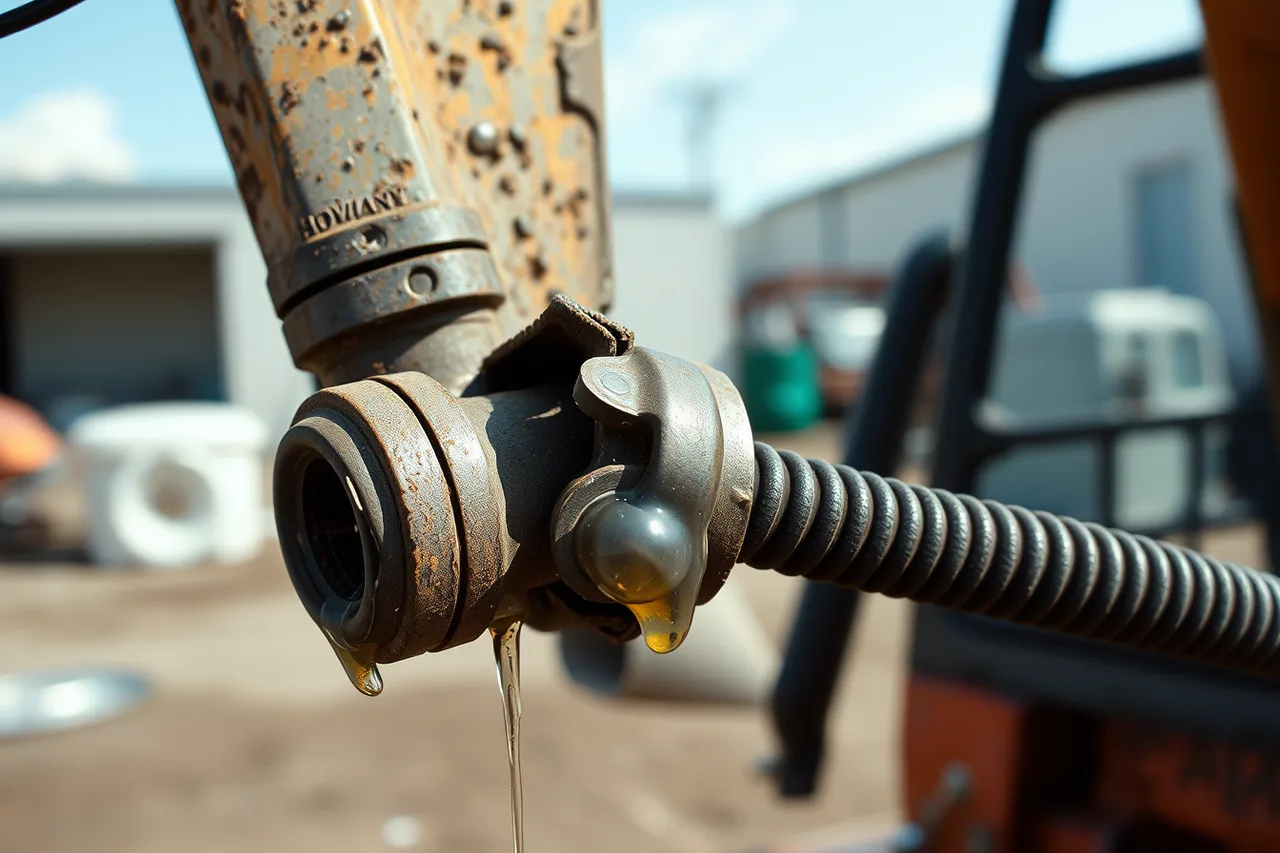
Decide before the customer arrives what normal wear looks like on each machine class. Bucket teeth, tyres, filters, and cutting edges wear. Cracked hydraulic lines and bent booms do not.
Photograph the machine at dispatch and at return. Timestamped photos settle most disputes without a conversation about who is right.
When damage exceeds the waiver, the recovery process needs an owner, a repair estimate from a qualified mechanic, and a written explanation to the customer. Keep the estimate and the invoice together.
Deposits, credit terms and the damage recovery process belong in writing before the equipment leaves the yard. Model the deposit, the invoicing cycle and the credit you extend to account customers, then track days to collect and bad debt each month.
Delivery, fuel, and the surcharge question
Delivery is a cost centre that customers read as a line item. Price it by distance band and machine size.
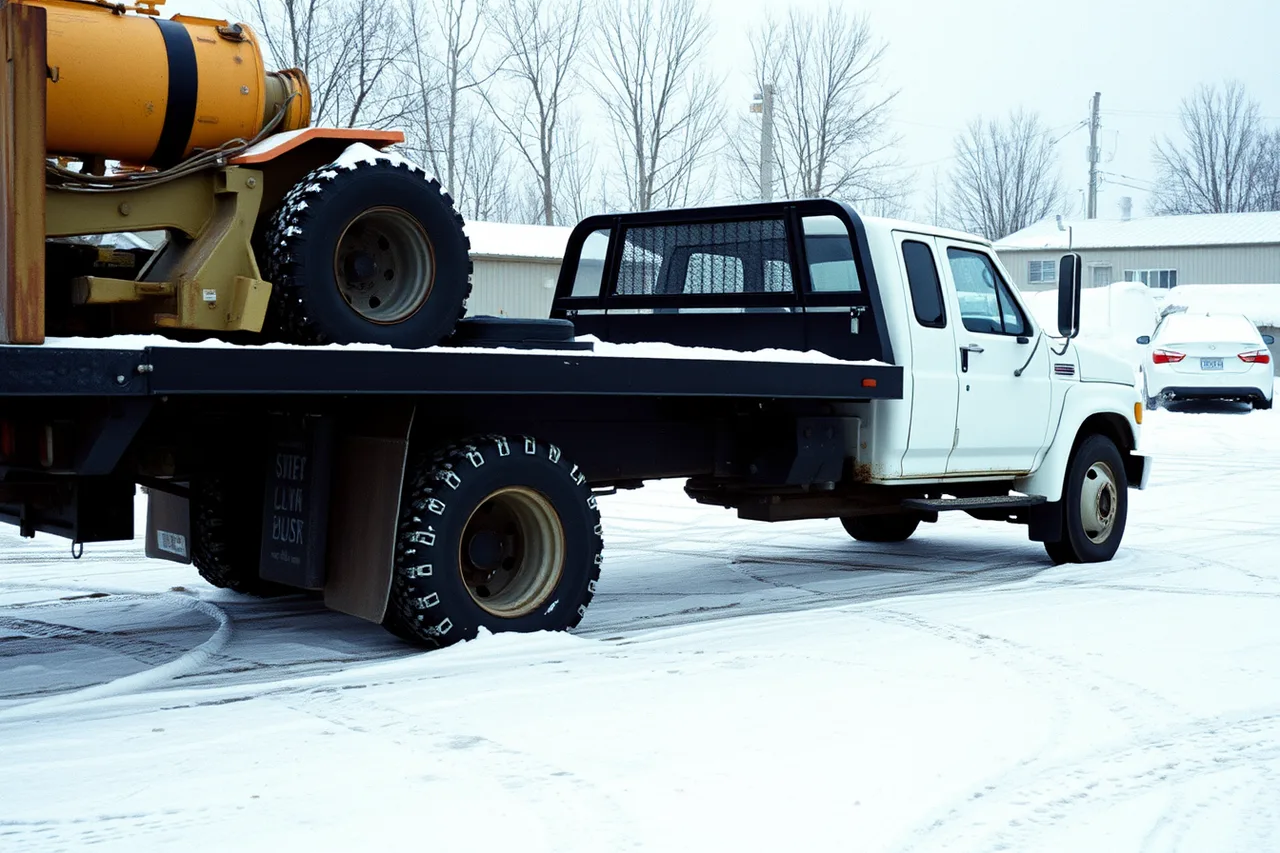
A fuel surcharge is easier to defend when it is published, applied by a stated formula, and shown on the invoice. A surcharge invented at the counter reads as a penalty.
Here is a sample formula. Set a base diesel price, for example $3.80 a gallon. Charge 1 percent of the delivery fee for every 10 cents the pump price sits above that base. Publish the index you use and the day the surcharge resets.
Routing matters more than most yards admit. Grouping deliveries by area cuts fuel and driver hours without touching the rate card.
In winter, add the real costs: block heaters, idling time, chains, and the extra hour a cold start takes. Minneapolis and Buffalo yards know this. In Canada, Saskatoon and Winnipeg yards work the same way, and Yellowknife operators on permafrost face access roads and seasonal weight limits that change the delivery plan entirely.
Maintenance intervals and downtime
Downtime is the cost nobody puts on the rate card. A machine waiting for a part earns nothing and still owes its finance payment.
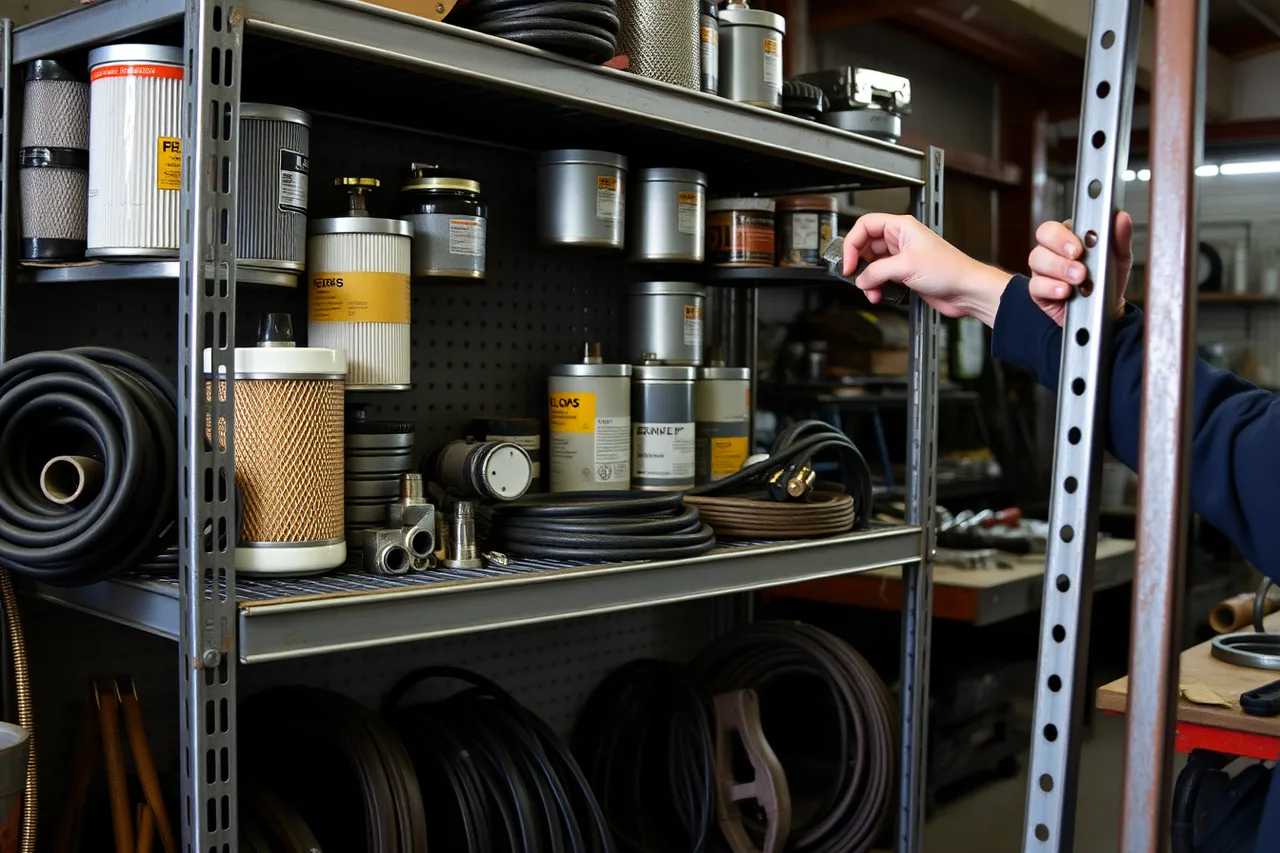
Set preventive maintenance intervals by engine hours, not by calendar, and follow the manufacturer's schedule. Record every service against the machine.
A typical schedule for a mini excavator: engine oil and filter at 500 engine hours, hydraulic oil and filter at 1,000 hours, and a major service at 2,000 hours. The manufacturer's book for your model overrides these figures.
Keep a small stock of the parts that stop a machine: filters, belts, hoses, and the fittings your fleet actually uses. A $40 hose that saves a two-day wait pays for itself.
Track downtime hours per machine per year. A machine that spends more time in the shop than on rent is a pricing problem and a fleet problem at once.
Insurance premiums, transport permits, and safety duties
Commercial insurance for rental fleets is priced on fleet value, machine class, and claims history. Get the premium into the cost per hour, not into a general overhead pot.
Licensing and transport rules vary. Oversize loads, weight limits, and escort requirements differ by state and province. Confirm the rules with your state department of transportation and the Federal Motor Carrier Safety Administration before quoting a delivery you cannot legally make. In Canada, check the provincial transport authority and Transport Canada.
Workplace safety obligations sit with the operator and the site, not with the rate card. Name the authority that sets them. In the United States that is OSHA and the state workers' compensation board.
In Canada, Alberta OHS and the WCB cover Alberta, and the CNESST covers Quebec, where signage and customer documentation must meet Bill 101.
Training on machine operation is the customer's responsibility, delivered by a certified trainer. Do not write operating instructions into a rental agreement.
Records, tax, and what to keep
Keep records that show income and expenses clearly. Also keep the documents behind purchases, sales, payroll, assets, and transactions. The recordkeeping guidance from the IRS sets out the principle, and the Canada Revenue Agency applies the same logic to GST/HST. Your accountant decides what your business must retain and for how long.
Advertising a rate is a claim. The FTC advertising guide for small business explains that advertised prices and endorsements must be truthful and supported. The same standard applies to a rate posted on your website or a review you quote in a brochure.
For labour, the BLS occupational wage tables give occupation and regional wage estimates you can use as one input when setting driver and mechanic pay. Cross-check against state, provincial, or territorial wage data before you build the labour line into a rate.
If you are still writing the plan behind the rate card, the equipment rental business plan guide covers the sections a lender or a partner will expect to see. The SBA business guide is a second structure to compare against, covering planning, launch, management, and growth.
A worked example of a rate review
Take one machine class: a 1.5-tonne mini excavator. The figures below are typical for the class. Replace them with your own.
Cost per machine hour inputs
- AAcquisition cost
- BExpected lifetime hours
- CAnnual maintenance
- DAnnual hours rented
A worked example
| Line | How to get it | Example figure |
|---|---|---|
| Acquisition cost | Purchase price | $65,000 |
| Expected lifetime hours | Manufacturer data and your records | 8,000 hours |
| Ownership cost per hour | Acquisition divided by lifetime hours | $8.13 |
| Annual maintenance | Parts, labour, service | $6,000 |
| Annual hours rented | Your utilization record | 1,200 hours |
| Maintenance per hour | Annual maintenance divided by annual hours | $5.00 |
| Delivery cost per job | Fuel, driver, round trip | $180 |
| Average jobs per year | Bookings for this machine | 90 |
| Delivery per hour | Jobs per year times cost per job, divided by annual hours | $13.50 |
| Cost per machine hour | Ownership plus maintenance plus delivery | $26.63 |
| Break-even day rate | Cost per hour times hours in a rental day | $213 |
At $250 a day across 150 rental days, the machine bills $37,500 against $31,956 of cost, leaving about $5,500 before overhead and tax.
If the break-even day rate is above what the market pays, you have three options: raise utilization, cut delivery distance, or sell the machine. Raising the rate is the fourth option and the one most yards reach for first.
Common questions
How often should rates change?
Change rates when the numbers move, not on a calendar. Give customers notice before a new rate applies to an existing booking.
Should I match the yard down the road?
Only if your cost per machine hour is the same, which it almost never is. Use competitors to understand the market ceiling, then price from your own floor.
What if a machine never hits its floor utilization?
Sell it or move it to a class with steadier demand. A rate increase on a machine nobody rents just makes it easier to leave in the yard.
Who owns the rate card?
One person, usually the owner or operations manager, with authority to approve exceptions. Every exception gets a reason and a date. Unrecorded discounts are how a rate card quietly stops meaning anything.