Guides
4 wildfire season risks for equipment hire yards in BC and Alberta
Equipment hire yards wildfire season in BC and Alberta brings four risks: evacuation, insurance gaps, firefighting gear demand and smoke safety.
What to take away
- Equipment hire yards wildfire planning in BC and Alberta turns on four named risks: evacuation, insurance gaps, demand spikes for firefighting equipment, and smoke.
- Evacuation orders move fast. Yards in the BC Interior and the Alberta foothills need a relocation plan before the order, not during it.
- Standard property policies often exclude wildfire, smoke and ash damage. Read the wording and buy the gap.
- Firefighting equipment demand spikes hard and briefly. Fleet readiness decides who earns the surge.
- Smoke is a workplace hazard. Air quality and worker safety belong in the same plan as the evacuation route.
Wildfire season risks for equipment hire yards in BC and Alberta
Wildfire season in British Columbia and Alberta is not a single event. It is a months-long operating condition that touches where your machines sit, what your insurer will pay, what customers ask for and whether crews can work outside.
For a hire yard, the exposure is concentrated. Machines sit in the open on gravel pads. Fuel, propane and hydraulic oil are stored on site. Staff work outside. A single order to leave can strand a fleet worth more than the yard it sits on.
British Columbia and Alberta run different warning systems, different evacuation frameworks and different public data. A yard that operates in both provinces needs to read both, and to know which one governs the site on any given day.
This is a risk article, not a general business one. The four sections below name the risks and what a yard can do about each.
Why the season is getting longer
Provincial wildfire agencies report active fires, new starts, area burned and evacuation orders through the season. The pattern in recent years is a season that starts earlier and ends later than the calendar suggests.
That matters commercially. Equipment that would normally sit idle in shoulder months now sits under threat in those same months. Storage decisions made in May may not hold in August.
What is different for a hire yard
A contractor can move crews home. A yard has to move inventory, or defend it. Either choice costs money and both need a decision-maker who is reachable when the order lands.
Risk 1: Evacuation planning and yard relocation
An evacuation order is a logistics problem with a clock on it. The clock is short, the roads are shared with everyone else leaving, and the fuel you need may be the fuel everyone else needs.
Evacuation Alert vs Order
What stage is issued?
Alert -> be ready to leave
Order -> go now
BC publishes wildfire status, evacuation orders and alerts through the provincial wildfire service, and yards in the Okanagan, the Kootenays and the Cariboo should be monitoring it daily through the season. The BC Wildfire Service status pages are the reference point for BC wildfire risk and evacuation planning for yards.
Alberta publishes its own wildfire status, including active fires and advisories, through Alberta.ca wildfire status. Yards around Edson, Whitecourt, Slave Lake, Fort McMurray and the southern foothills should treat that page as a daily check in season.
Know your zone before you need to
Evacuation orders in both British Columbia and Alberta are issued by local authorities and the province, and they come in stages. An alert means be ready. An order means go.
Yards should know which regional district or municipal authority issues orders for their address, and who signs for the site. That is a phone number, a name and a backup name, written down.
The relocation question
Most yards cannot move a full fleet. Decide in advance what moves first. Typically that is the highest-value, most mobile, least replaceable equipment: compact machines, attachments, light towers, generators.
What stays gets staged for defence: fuel isolated, propane moved away from structures, grass cut, sprinklers or water access identified.
Steps to build a yard evacuation plan
- Map your site and mark the priority assets, fuel storage, propane, and any structure you would defend.
- Identify your issuing authority, your primary contact and a backup, and confirm how orders reach you.
- Set two trigger pointsan alert trigger that starts preparation, and an order trigger that starts movement.
- Name a transport planwhich trucks, which drivers, which staging yard outside the risk area, and who authorises the spend.
- Test the plan once before the season, and record what broke.
The transport half of that plan overlaps with routine fleet work. A yard that already runs disciplined equipment rental delivery and maintenance has most of the mechanics in place: drivers, load lists, service records and a staging area.
Risk 2: Insurance coverage gaps during wildfire season
Wildfire is not automatically covered just because fire is. The word in the policy matters, and so does the peril that caused the loss.
A machine destroyed by flame is one claim. A machine written off by smoke, ash, corrosive residue or heat damage is another, and it is the one yards get surprised by. So is business interruption when an evacuation order closes the yard for three weeks with no physical damage at all.
Where the gaps usually sit
Insurance Gap Check
- Wildfire named or unnamed peril
- Smoke and ash sub-limit
- Business interruption without damage
- Relocation and debris removal caps
- Mobile equipment policy terms
- Customer equipment liability
That last point is worth a conversation with your broker. If you are storing a customer's machine when the order comes, whose insurance responds?
Questions to put to your broker in writing
Ask whether wildfire is a named peril or an unnamed one. Ask what the smoke and ash sub-limit is. Ask whether business interruption pays without physical damage. Ask what the relocation and debris removal limits are. Ask how mobile equipment is scheduled and whether it follows the unit or the site.
Get the answers in writing before the season, not in the claims queue after it. The wider question of what a rental operation carries, and what it costs, is covered in this guide to equipment rental business insurance.
Risk 3: Demand spikes for firefighting equipment and fleet readiness
When a fire starts, demand for certain equipment moves within days. Pumps, water trucks, light towers, generators, compact machines for fireguard work, and anything that can move water or clear fuel.
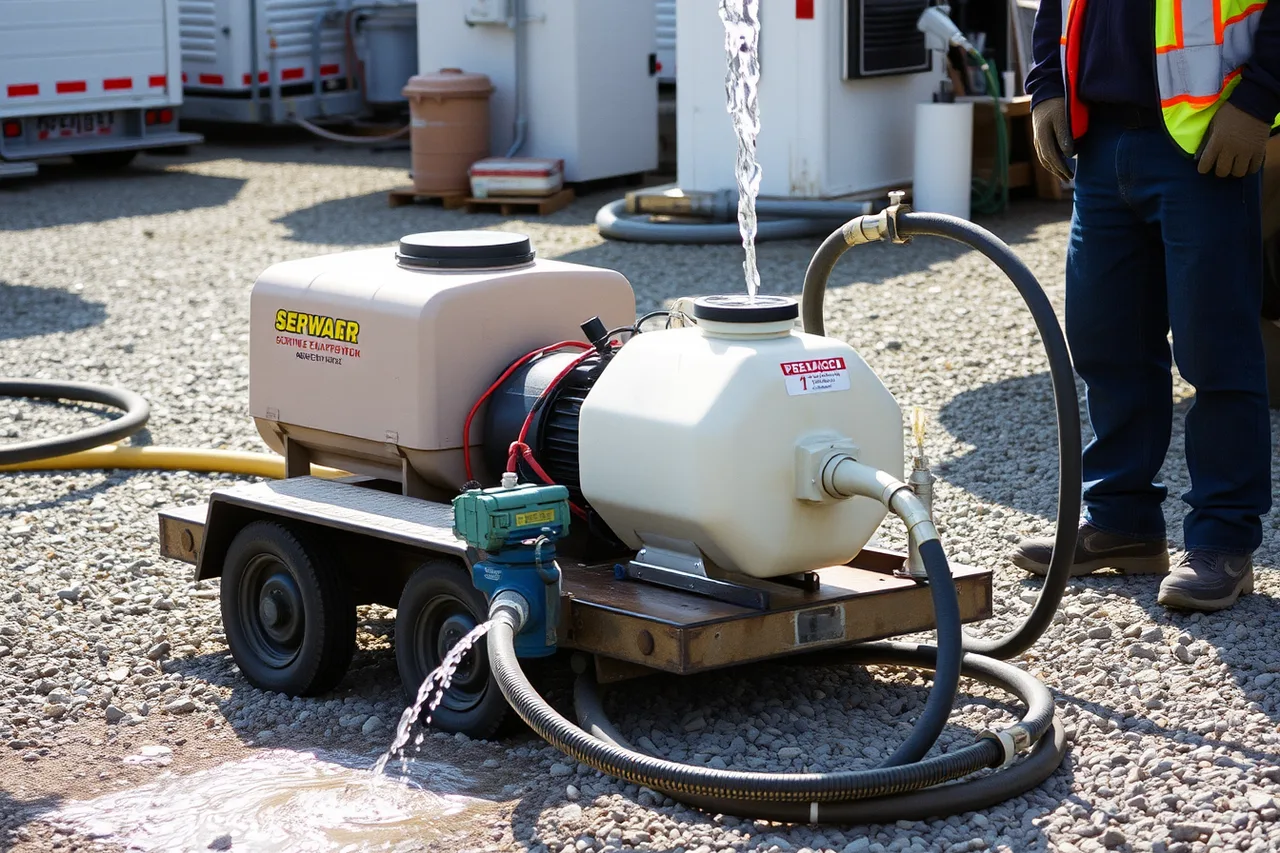
The spike is real but short. It is also uneven: the equipment that is wanted in the first week is not the equipment wanted in week four, when the work shifts to cleanup and rebuild.
What readiness actually means
Readiness is not having the machines. It is having them serviceable, documented, fuelled and available on the day the call comes. A pump that needs a part is not inventory. It is a promise you cannot keep.
That is why the maintenance schedule is a commercial document, not a shop document. Yards that keep service intervals tight and records clean convert a spike into revenue. Yards that do not watch the work go to whoever answers the phone first.
A short readiness check for spike season
- Pumps, generators and light towers serviced and function-tested this season.
- Fuel and fluid levels topped, with a reserve you will not rent out.
- Attachments matched to machines and listed by unit number.
- Delivery trucks and trailers inspected and available.
- Operator and driver availability confirmed, including after-hours contacts.
- Rates for emergency and out-of-hours work set and published internally.
- Customer priority list agreed, so the first call does not become an argument.
Pricing during a spike
Emergency demand invites emergency pricing, and that invites scrutiny. Set your emergency rate before the season, apply it consistently, and document why. A defensible rate card is worth more than a one-off windfall.
Cross-border equipment and origin rules
Some yards bring in US equipment to meet a spike, or move units across the border to a job. Origin and tariff treatment for that equipment is governed by Canadian border rules, including the origin determination framework set out in Memorandum D11-4-3.
Get the paperwork right before the truck reaches the crossing. A fire does not pause for a customs dispute.
Reading demand before it arrives is a discipline in itself. The wider signals, from construction activity to fleet utilisation, are tracked in this piece on equipment rental inventory planning.
Risk 4: Air quality, visibility and worker safety during wildfire events
Smoke is the risk that gets treated as an inconvenience. It is a workplace hazard, and in British Columbia it falls under the provincial regulator's hazard and exposure guidance, which covers what employers must assess and control. WorkSafeBC's hazards and exposures resources are the starting point for that assessment.
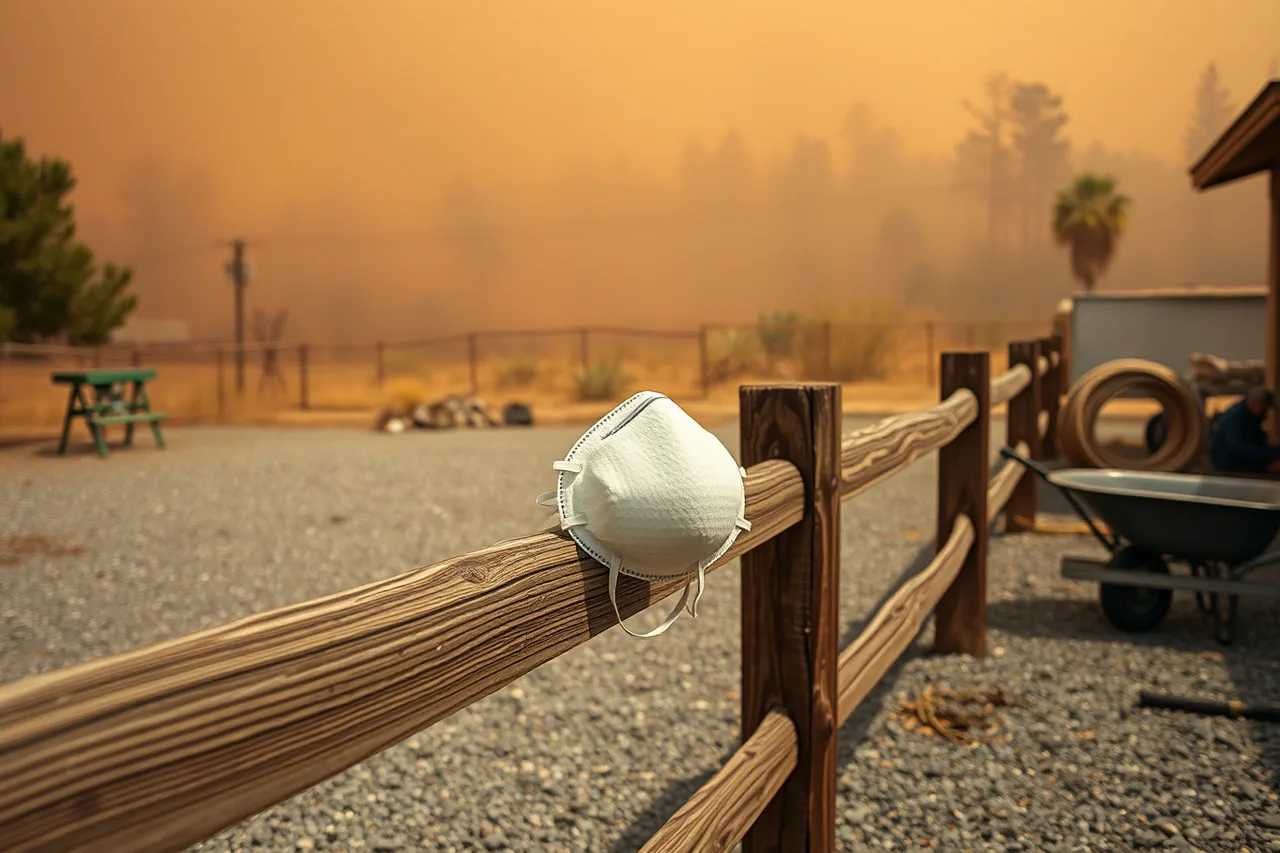
Alberta yards have an equivalent duty under the provincial OHS framework. The obligation is the same in substance: identify the hazard, assess the risk, control it, and tell workers what to do.
What smoke does to a yard
Wildfire smoke carries fine particulate matter that reaches deep into the lungs. For yard staff, the effects compound with physical work: more air moved, more exposure, faster onset of symptoms.
Visibility drops too. That matters for forklifts, loaders, delivery trucks and anyone working around moving equipment. A yard that keeps operating in heavy smoke is running a visibility hazard and an air quality hazard at the same time.
Practical controls
- Monitor the provincial air quality health index for your location each shift.
- Move outdoor work indoors or reschedule it when the index climbs.
- Supply NIOSH-approved N95 respirators and fit them properly, and train on use.
- Reduce physical intensity and build in more breaks.
- Keep vehicle windows up and use recirculated air in cabs.
- Set a written threshold that triggers a work stoppage or a shift change.
Other hazards do not stop for fire season
Smoke gets the attention, but the ordinary hazards continue. Heat, vibration from hand tools and cold stress on early-season or night shifts all sit in the same hazard library. WorkSafeBC's hazards and exposures guidance covers these alongside smoke, and a yard's safety programme should treat them together rather than as separate campaigns.
Documenting the controls matters as much as applying them. A written procedure that names the threshold, the control and the person responsible is what stands up after an incident. That is the same logic behind a disciplined equipment rental sop checklist for daily operations.
Preparing a wildfire response plan for rental yards
A response plan is one document that answers four questions: when do we act, who decides, what moves, and who do we tell. If it does not answer all four, it is not a plan.
Steps to write and adopt the plan
Write the Response Plan
- Assign an owner and backup
- Pull provincial data sources daily
- Write the trigger table
- List priority assets and transport
- Confirm insurance limits
- Build spike readiness list
- Brief staff and run exercise
Keep the compliance file current
The plan sits inside a wider compliance picture: workers' compensation coverage, occupational health and safety duties, transport rules for moving equipment, and provincial environmental rules for fuel storage. Yards that keep that file current find the wildfire plan easier to write, because half the information already exists.
A working equipment rental compliance checklist is a reasonable place to start if the file has gaps.
Review after the season
Every season produces at least one thing that did not work. Write it down while it is fresh. The plan that gets used next year should be the one that survived this year.